Understanding Your Colorado Springs Landscape
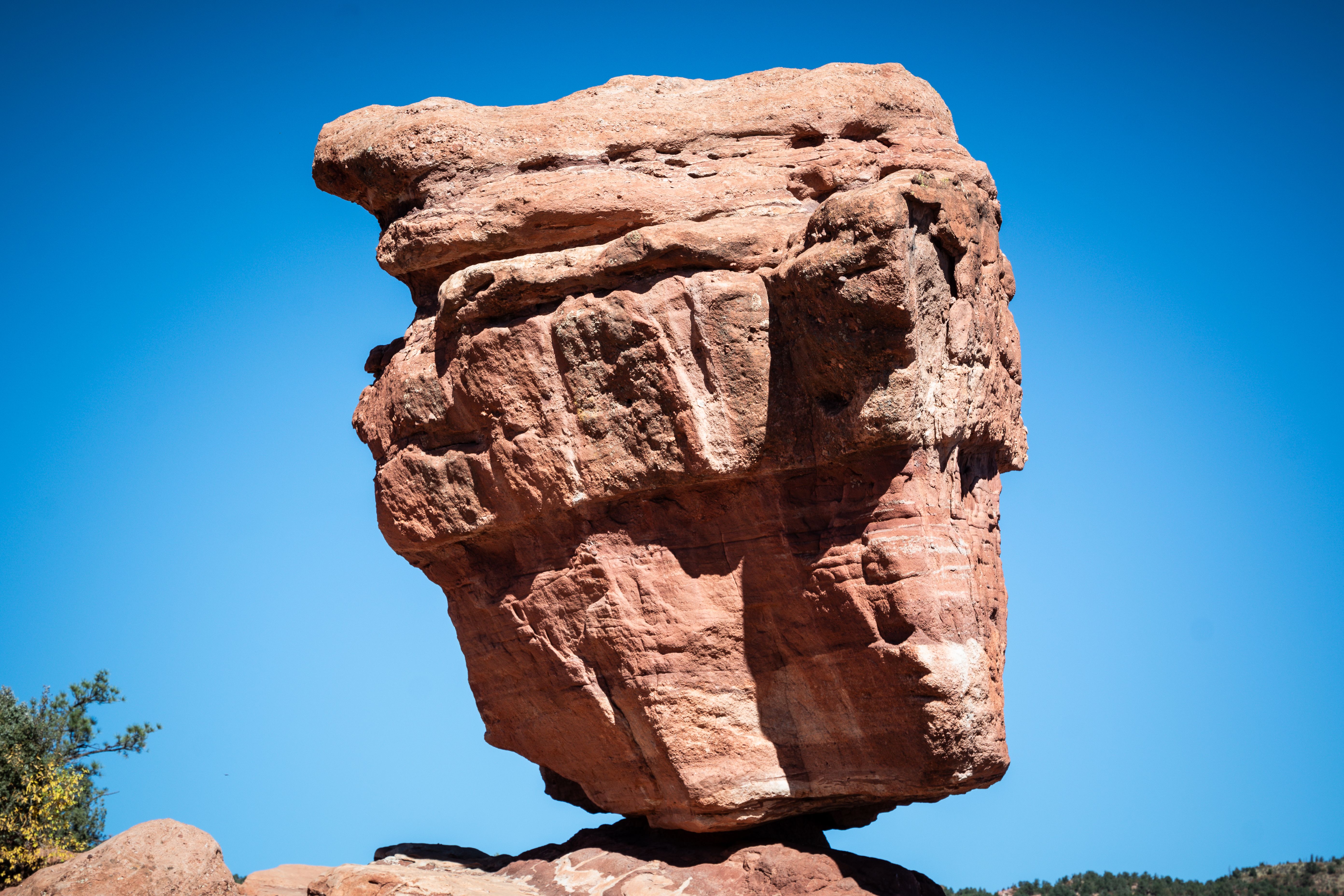
Colorado Springs offers a unique environment for landscaping enthusiasts. With its semi-arid climate, diverse elevation, and stunning natural scenery, it's crucial to understand the local conditions before diving into a landscaping project. This guide is tailored for beginners, aiming to equip you with the basics of DIY landscaping in Colorado Springs.
Climate Considerations
The climate in Colorado Springs is characterized by hot summers, cold winters, and moderate precipitation. This means selecting plants that are drought-resistant and can withstand temperature fluctuations is essential. Native plants are often the best choice as they are already adapted to the local climate.
Soil Types and Preparation
The soil in Colorado Springs can vary significantly. Conduct a soil test to determine its pH level and nutrient content. This will help you amend the soil properly, ensuring your plants have the best chance to thrive. Adding organic matter such as compost can improve soil structure and fertility.
Designing Your Landscape
Before breaking ground, a well-thought-out design is crucial. Start by sketching a basic layout of your yard. Consider how you plan to use different areas, whether for relaxation, gardening, or entertaining.
Choosing the Right Plants
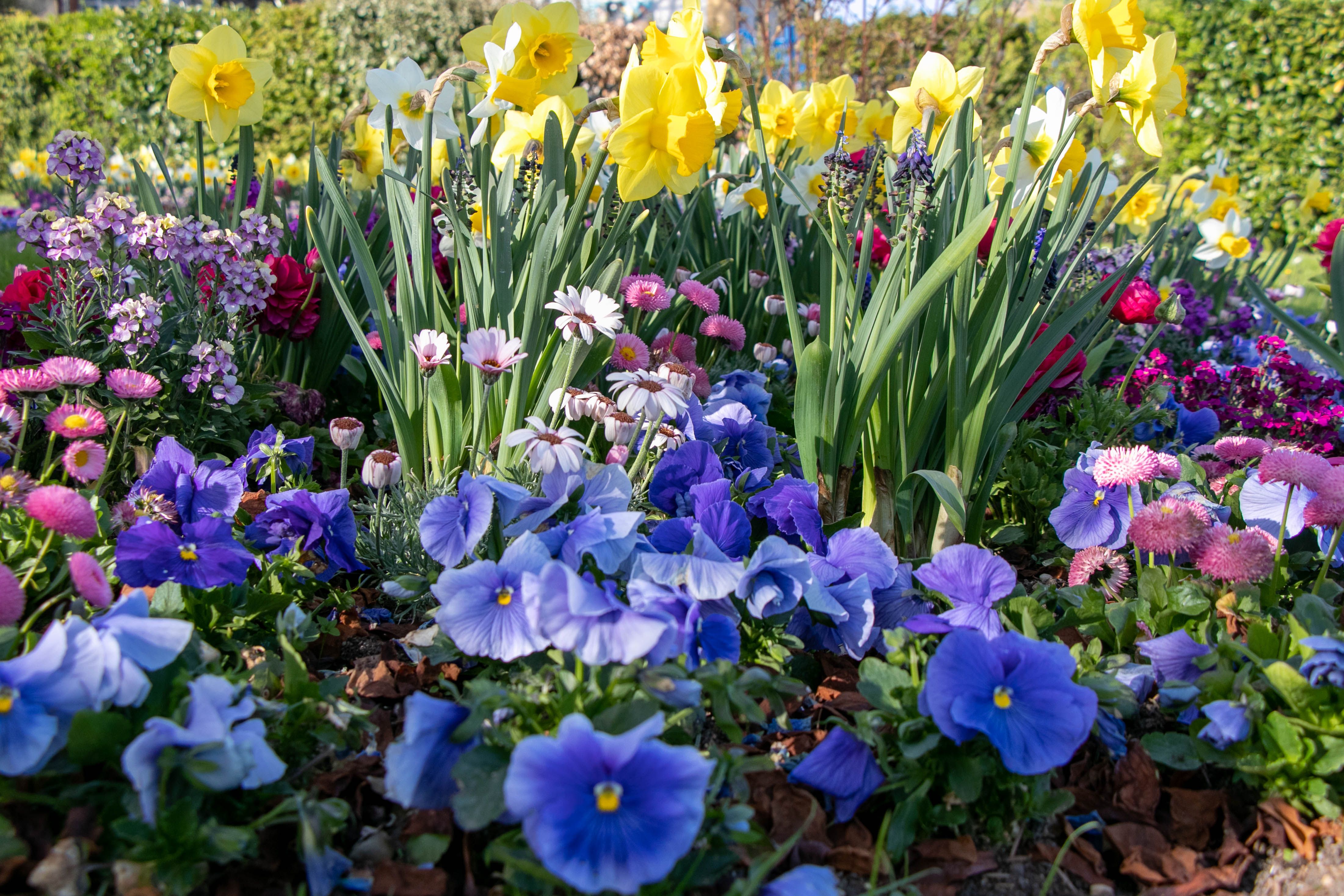
Opt for a mix of perennials, shrubs, and trees that are native to the region. Some popular choices include the Rocky Mountain Columbine, Blue Grama Grass, and Ponderosa Pine. These plants require less water and maintenance, making them ideal for beginners.
Incorporating Hardscapes
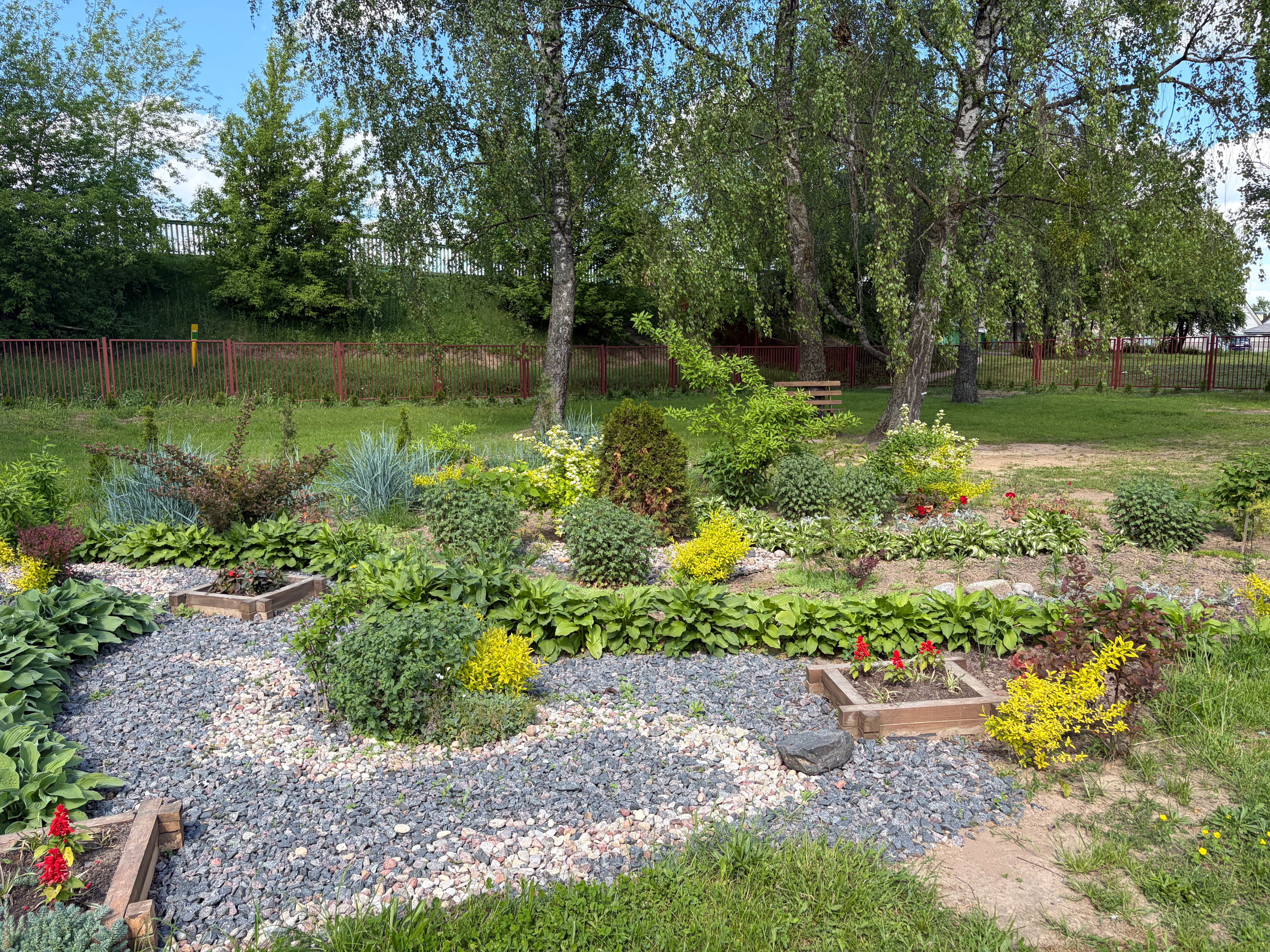
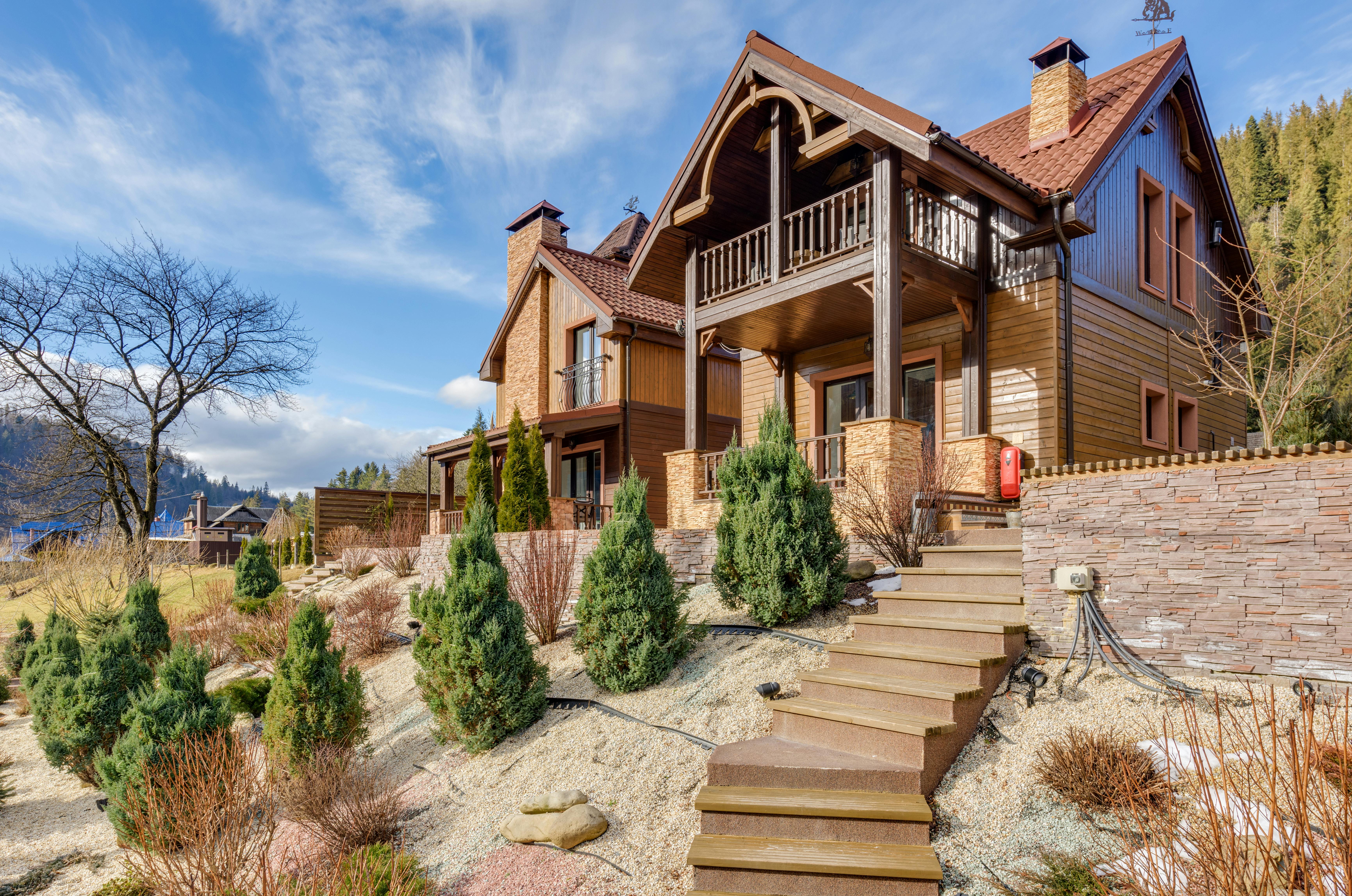
Hardscapes like patios, paths, and retaining walls can add structure and functionality to your landscape. Consider using local materials like flagstone or sandstone that blend naturally with the surroundings.
Implementing Water-Wise Solutions
Water conservation is crucial in Colorado Springs, and smart landscaping can significantly reduce water usage. Here are some beginner-friendly tips:
- Drip Irrigation: Install a drip irrigation system to deliver water directly to the plant roots, minimizing evaporation and waste.
- Mulching: Apply a layer of mulch around your plants to retain soil moisture and reduce weed growth.
- Rain Barrels: Use rain barrels to collect and store rainwater for irrigation purposes.
Maintaining Your Landscape
Regular maintenance is essential to keep your landscape looking its best. Here are some simple tasks you can perform:
- Pruning: Trim back overgrown plants to encourage healthy growth.
- Weeding: Regularly remove weeds to prevent them from competing with your plants for nutrients.
- Fertilizing: Apply a balanced fertilizer during the growing season to support plant health.
Leveraging Professional Help
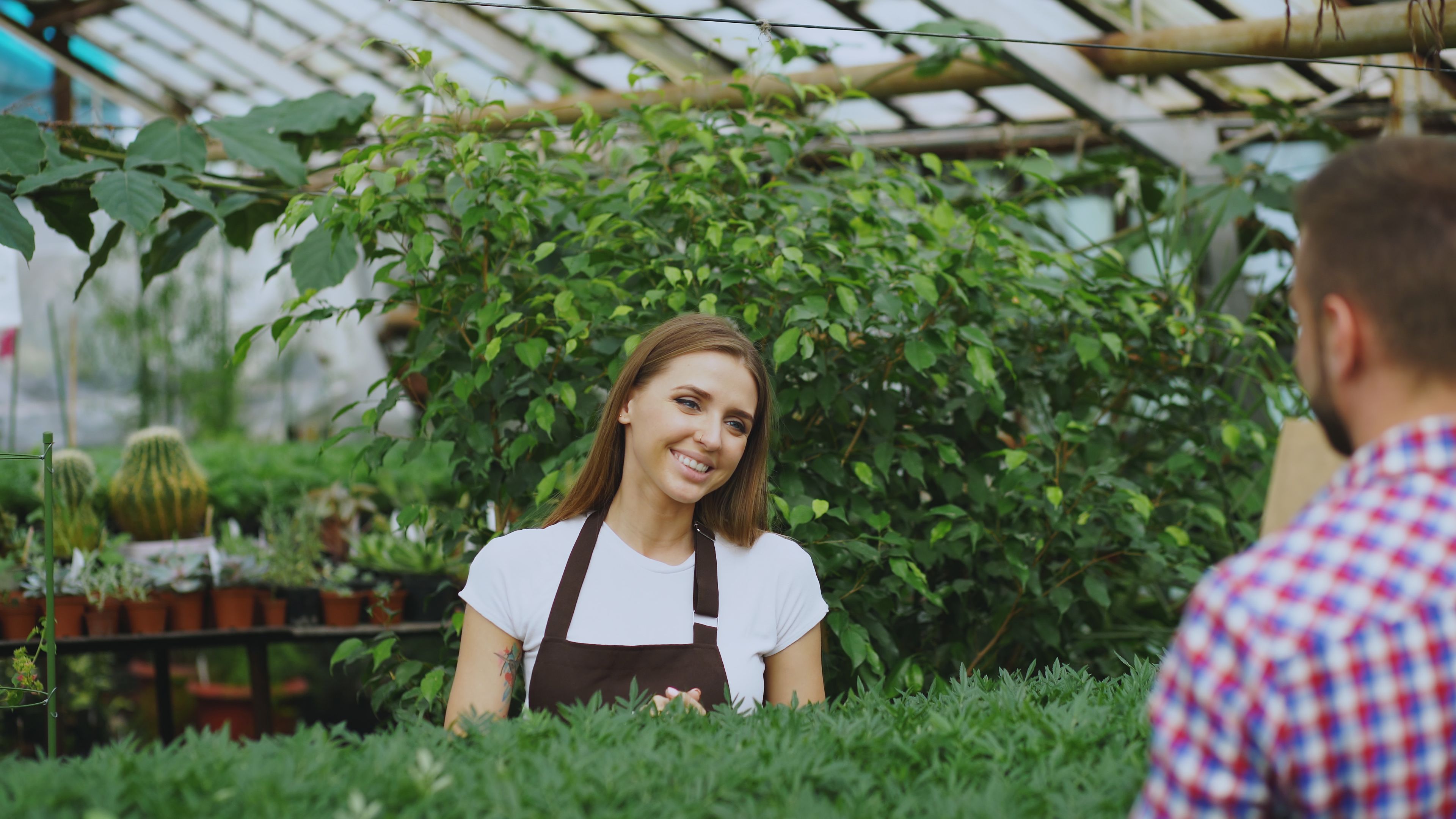
While DIY landscaping can be rewarding, there might be aspects that require professional expertise. Dr. Greens Landscaping in Colorado Springs can provide tailored advice and services to enhance your garden's aesthetics and functionality. Whether you need assistance with complex installations or seasonal maintenance, professional landscapers can save you time and effort.
Conclusion
Embarking on a DIY landscaping project in Colorado Springs can be a fulfilling endeavor, offering both aesthetic and environmental benefits. By understanding local conditions and implementing water-wise, sustainable practices, you can create a beautiful outdoor space that complements the natural beauty of the area. Remember, the journey is as rewarding as the destination, so take your time and enjoy the process of transforming your landscape.